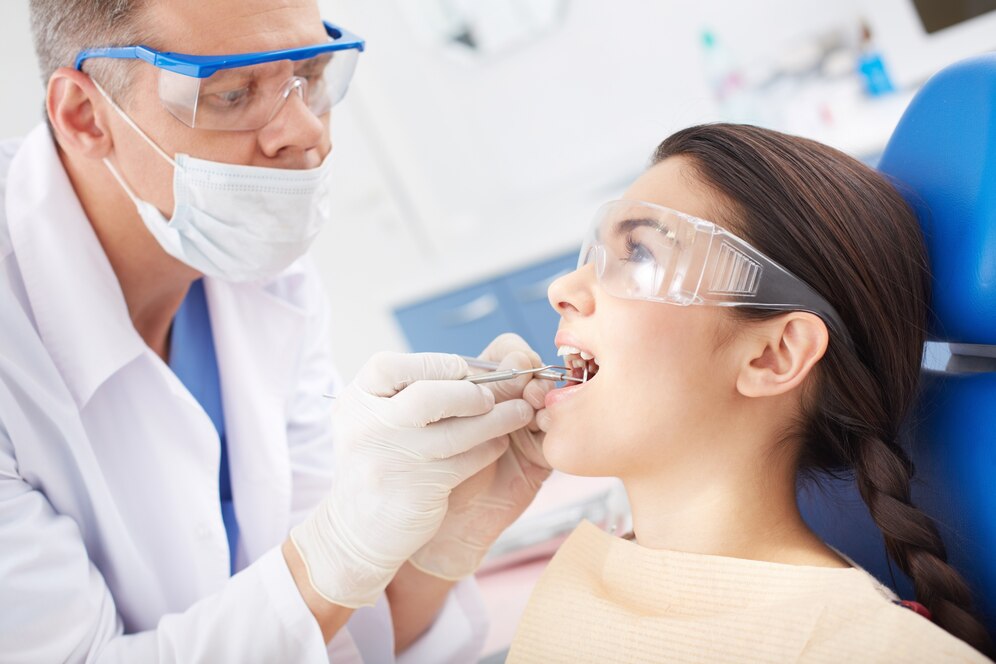
Crown remakes are frustrating. They cost time, money, and patient trust. Even in 2026, with better scanners, stronger materials, and faster workflows, remakes have not disappeared. Many dentists still deal with crowns that need adjustments, refabrication, or complete replacement.
The reason is simple: technology alone does not guarantee accuracy. The process behind dental crowns matters just as much as the tools used. This is where the role of a skilled dental laboratory becomes critical.
At ODS Dental Lab, we work closely with dentists every day, and we see the same remake issues repeat. Understanding why they happen is the first step to preventing them.
Why Crown Remakes Still Exist in 2026
Modern dentistry has improved speed and materials, but the fundamentals of crown fabrication remain the same. When any step is rushed or incomplete, problems show up at delivery.
Here are the most common reasons dental crowns still require remakes.
1. Incomplete or Distorted Digital Scans
Digital impressions are now the standard, but not every scan tells the full story.
Common issues include:
- Missing margin data
- Soft tissue not fully retracted
- Bite scans taken too quickly
When scan data is incomplete, the lab has to guess. Even small assumptions can lead to poor seating or open margins. A high-quality crown starts with a complete and clean scan, not just a fast one.
2. Poor Margin Clarity
Margins are one of the most sensitive areas of any crown. If they are unclear, uneven, or hidden by tissue, the result is often over-contouring or short margins.
No matter how advanced the material is, dental crowns with weak margins will fail chairside. Clear margin capture allows the lab to design crowns that seat the first time properly.
3. Inaccurate Shade Communication
Shade mismatch is still one of the top remake causes in 2026.
Problems usually happen when:
- Shade tabs are selected under poor lighting
- No photos are provided
- Stump shade is not communicated
Digital shade tools help, but human judgment still plays a role. Labs need clear photos, notes, and expectations to produce natural-looking dental crowns that blend with adjacent teeth.
4. Occlusal Misalignment
High spots and bite issues often lead to unnecessary adjustments. Over-adjusting weakens crown structure and shortens lifespan.
Occlusal errors usually come from:
- Inaccurate bite registrations
- Patient movement during scanning
- Lack of occlusal notes
When labs review occlusion carefully and communicate concerns early, many of these issues can be avoided.
5. Lab Shortcuts vs. Lab Protocols
Not all labs follow the same internal standards. Some prioritize speed over precision.
A proper workflow for dental crowns includes:
- Case review before design
- Margin verification
- Occlusal checks
- Final quality control
Skipping steps may save time, but it increases the risk of remakes. Strong protocols matter more than trendy materials.
Why Newer Technology Alone Doesn’t Stop Remakes
It’s easy to assume that better scanners or stronger ceramics solve everything. In reality, technology only supports the process. It does not replace experience, communication, or quality checks.
A poorly reviewed digital case will fail just as easily as a poorly taken physical impression. Successful dental crowns are the result of systems, not shortcuts.
Why Quality Control Matters More Than Materials
Many dentists focus heavily on material selection. While materials matter, quality control matters more.
Before a crown leaves the lab, it should be checked for:
- Marginal integrity
- Occlusal accuracy
- Contact strength
- Shade consistency
At ODS Dental Lab, every crown goes through a structured review process. This extra step reduces chairside surprises and helps dentists deliver with confidence.
What Dentists Can Submit to Reduce Chairside Adjustments
Better input leads to better output. Dentists can help reduce remakes by submitting:
- Clear, complete scans
- Accurate bite records
- High-quality shade photos
- Notes on patient expectations
When labs receive strong information, dental crowns are easier to design correctly the first time.
How Proactive Lab Communication Prevents Remakes
One of the biggest differences between average labs and reliable labs is communication.
A proactive lab will:
- Flag unclear margins before fabrication
- Ask questions instead of assuming
- Suggest scan corrections when needed
This early communication saves time and protects both the dentist and the patient from frustration.
The Bottom Line
Crown remakes still happen in 2026 because dentistry is a process, not just a product. Even the best dental crowns depend on accurate data, clear communication, and disciplined lab protocols.
When dentists partner with a lab that values precision and collaboration, remakes drop, chair time improves, and patient trust grows.
At ODS Dental Lab, we believe preventing remakes starts long before fabrication. It begins with careful review, honest communication, and a commitment to doing things right the first time.