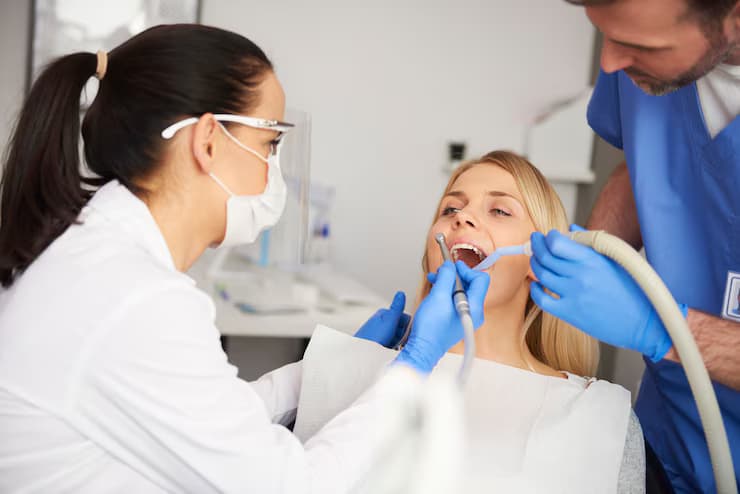
Choosing the right shade for a crown has always been one of the most important steps in creating a natural-looking smile. But over the past two years, dentists and labs have noticed something: matching tooth color is becoming harder than ever. Brighter LED lights, lifestyle whitening, and the growing demand for high-translucency materials often make traditional shade tabs unreliable.
That’s exactly why digital dental photography has become a must-have tool, and at OD’s Dental Laboratory, we use these photos to craft more accurate and aesthetic dental crowns in Tustin every day.
As we approach 2026, digital photography is not just a trend. It is becoming the new standard for shade accuracy, especially for zirconia, E.max, and cosmetic anterior crowns.
Why Shade Matching Became More Challenging in 2024–2025
For years, shade tabs were the only method dentists used to select tooth colors. But the world around us has changed, and so have patient expectations. Here are a few reasons shade matching has become tricky:
1. LED lighting affects how color appears
Dental offices often use bright LED operating lights. These lights don’t show the true color of teeth, which can make the chosen shade appear different once the crown is made.
2. More people whiten their teeth
Patients want bright, natural smiles. But whitening treatments create unique levels of brightness and translucency that shade tabs alone cannot capture.
3. High-translucency materials need more precise information
Modern materials, like zirconia and E.max, reflect and transmit light differently. This means we need accurate details about the tooth’s texture, characteristics, and slight color shifts.
Because of these changes, dentists and labs began shifting toward digital photography to capture finer details that shade tabs simply cannot show. This has played a major role in improving dental crowns in Tustin for both appearance and long-term satisfaction.
Why Digital Dental Photography Is Becoming the New Standard
Digital dental photography has become one of the most reliable ways to communicate color, translucency, and fine detail to the lab. It gives us the full picture, not just the shade number.
Tools commonly used in offices today:
- DSLR or mirrorless cameras
- Shade tabs placed near the tooth
- Polarized light filters
- MDP (Minimum Distortion Photography) protocols
These tools allow dentists to send clear, color-true images that help us recreate the exact look of a natural tooth.
How these photos improve the result
A good photograph shows things we cannot see on a shade tab:
Micro-texture
Small surface grooves, smooth areas, and patterns that affect how light reflects.
Natural characterization
White spots, darker edges, or warm-toned lines within the tooth.
Incisal translucency
That slightly transparent area near the edge of the tooth, which is essential for a natural look.
When dentists follow these simple photography steps, the results are much more predictable. Patients get crowns that blend beautifully with their real teeth, one of the biggest goals for anyone searching for dental crowns in Tustin.
Why This Matters Most for Zirconia, E.max, and Anterior Restorations
Not all crowns need the same level of detail, but certain materials benefit greatly from digital photography.
1. Zirconia Crowns
Today’s zirconia is more translucent, which means shade variations show through more clearly. Photos help us adjust staining, layering, and final polish.
2. E.max Crowns
E.max crowns rely on natural light transmission to look realistic. Photos show the exact color temperature and translucency needed.
3. Cosmetic Anterior Crowns
Front teeth are the most visible. Every tiny detail matters, from surface gloss to incisal edge transparency. Photos allow us to match that tooth perfectly.
Accurate photography improves success rates and helps us deliver better dental crowns in Tustin, especially when handling cosmetic cases where patients want flawless, natural-looking results.
How OD’s Dental Laboratory Uses Digital Photos for Better Crown Aesthetics
At OD’s Dental Laboratory, we’ve seen how helpful digital photos are for creating restorations that look real, not artificial. When dentists send us clear images following recommended photography protocols, we can:
- Match the exact shade with fewer adjustments
- Layer ceramic or stain zirconia with better precision
- Capture natural tooth characteristics
- Reduce remakes and chairside adjustments
- Deliver results that meet the patient’s expectations faster
These photos help us understand what the patient’s tooth truly looks like under natural light. This leads to stronger outcomes for dental crowns in Tustin, including:
- Better blending with surrounding teeth
- Higher patient satisfaction
- More accurate color transitions
- Improved long-term aesthetic stability
In short, digital photography allows us to bring more life and realism to every crown we make.
Heading Into 2026: Digital Photography Becomes the New Norm
As 2025 comes to an end, more dentists and labs are fully embracing digital photography as part of their shade-matching routine. The results speak for themselves: fewer remakes, more natural crowns, and happier patients.
For anyone receiving or providing dental crowns in Tustin, this method is quickly becoming the standard that ensures superior fit, color, and quality.
At OD’s Dental Laboratory, we appreciate every dentist who sends photo documentation, because it helps us create crowns that truly match the patient’s natural smile.