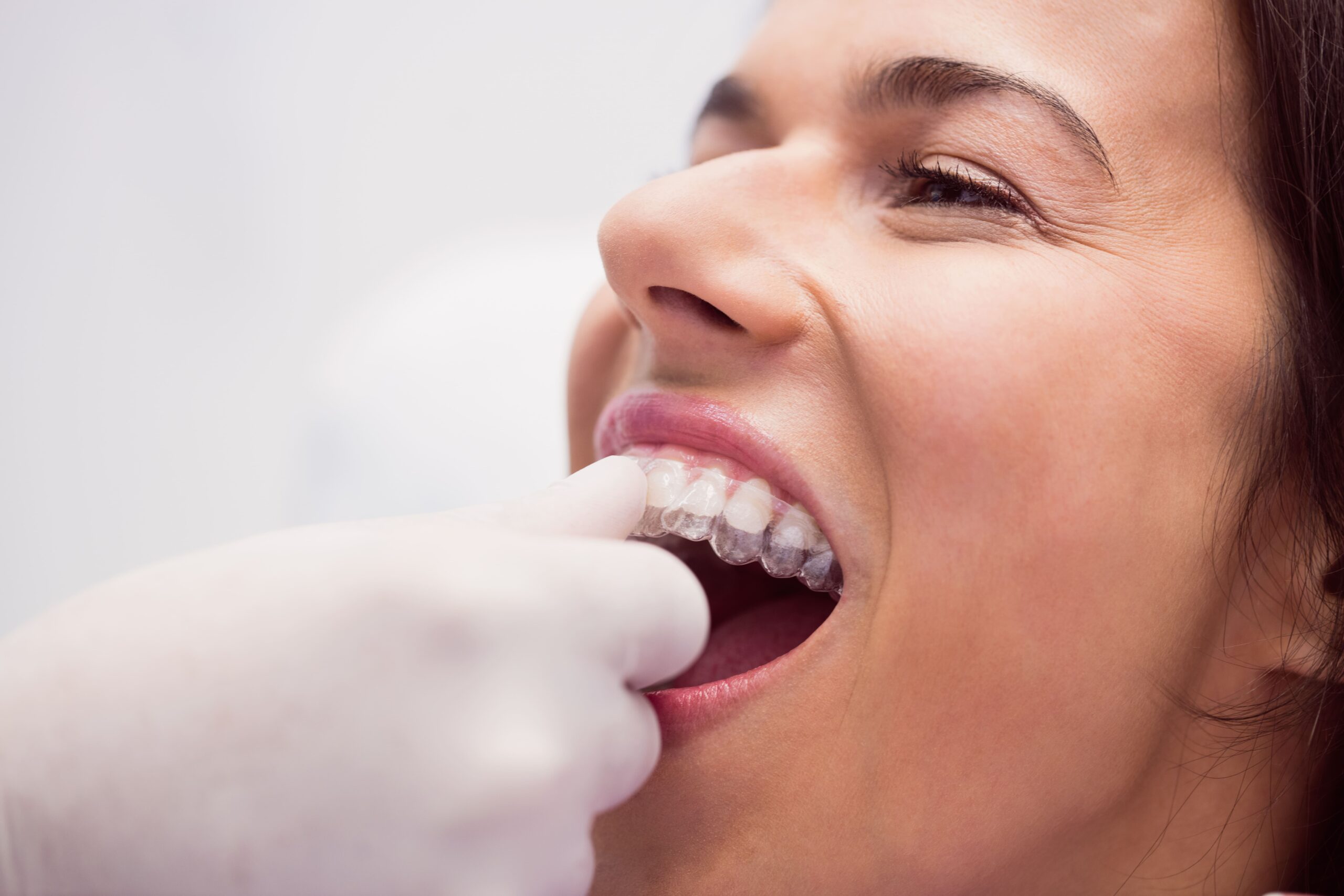
Most people don’t realize they grind or clench their teeth until the damage has already begun to show. The signs often start quietly, such as subtle discomfort, unexplained headaches, or a slight change in how your teeth feel when you bite down. By the time visible wear appears, your enamel may already be compromised.
Understanding the early warning signs can help you act before serious dental issues develop. A properly fitted night guard for teeth can play a key role in protecting your smile, but first, you need to know whether you actually need one.
What Is Teeth Grinding and Why Does It Matter
Teeth grinding, also known as bruxism, usually happens during sleep. Because it occurs unconsciously, many people remain unaware of the habit for years. The pressure exerted during grinding can be far stronger than normal chewing forces, which puts stress on teeth, muscles, and even the jaw joint.
Over time, this repeated pressure can lead to worn enamel, chipped teeth, and jaw discomfort. That’s why early intervention, often with a night guard for teeth, is so important. Preventing damage is always easier than reversing it.
Early Signs You Shouldn’t Ignore
Before visible damage appears, your body often sends signals that something isn’t right. Paying attention to these signs can help you take action sooner.
Morning Jaw Pain or Tightness
If you wake up with soreness in your jaw or a feeling of tightness, it may be a sign that you’ve been clenching or grinding overnight. This discomfort can range from mild stiffness to persistent pain that affects your daily routine.
Frequent Headaches
Grinding can strain the muscles around your temples, leading to headaches, especially in the morning. These headaches are often mistaken for stress-related tension but may actually be linked to nighttime clenching.
Tooth Sensitivity
Increased sensitivity to hot or cold foods can be an early indicator of enamel wear. Even before visible damage, grinding can weaken the outer layer of your teeth, making them more reactive.
Disrupted Sleep
Bruxism doesn’t just affect your teeth; it can also impact your sleep quality. You may wake up feeling tired even after a full night’s rest, or a partner may notice grinding sounds during the night.
Recognizing these early symptoms can help you decide whether a night guard for teeth might be necessary before the condition worsens.
Subtle Dental Changes That Signal Trouble
Sometimes, the warning signs show up directly in your mouth, but they’re easy to overlook without careful attention.
You might notice slight flattening of the chewing surfaces or tiny chips along the edges of your teeth. Your bite may also feel different, as if your teeth are not aligning the same way they used to. These changes can develop gradually, making them difficult to detect without regular dental checkups.
At ODS Dental Lab, we often emphasize the importance of noticing these small shifts early. Addressing them promptly can help prevent more extensive treatments later.
The Role of Stress and Lifestyle
Stress is one of the most common triggers for teeth grinding. When your body is under pressure, it can manifest physically in ways you may not expect, including clenching your jaw during sleep.
Lifestyle factors such as caffeine intake, alcohol use, and irregular sleep patterns can also contribute to bruxism. While managing these factors can help reduce grinding, they may not eliminate it completely. In many cases, using a night guard for teeth provides an additional layer of protection.
Why Early Protection Matters
Waiting until damage becomes visible can lead to more complex dental issues, including fractures, gum recession, and even tooth loss. Repairing this kind of damage often requires extensive procedures such as crowns or veneers.
By contrast, using a night guard for teeth early on helps absorb the pressure from grinding and protects your enamel from unnecessary wear. It acts as a barrier between your upper and lower teeth, reducing the risk of long-term damage.
We believe prevention should always come first. Taking action early can save both time and discomfort in the future.
Custom vs. Over-the-Counter Options
Not all dental guards are created equal. While store-bought options may seem convenient, they often lack the precision and comfort of a custom solution.
A custom-made night guard for teeth is designed to fit your bite accurately, ensuring better protection and comfort throughout the night. Poorly fitted guards can feel bulky, shift during sleep, or even cause additional discomfort.
At ODS Dental Lab, our approach focuses on creating guards that align with your specific dental structure. This personalized fit not only improves comfort but also enhances effectiveness.
When to Talk to a Dental Professional
If you notice any of the early signs mentioned above, it’s a good idea to consult a dental professional. They can evaluate your symptoms, examine your teeth, and determine whether grinding is the underlying cause.
A professional assessment can also help identify whether you would benefit from a night guard for teeth or if other treatments may be necessary. Early diagnosis plays a crucial role in preventing further complications.
We encourage patients to seek guidance as soon as they suspect an issue. Waiting too long can make treatment more complex than it needs to be.
Building Long-Term Oral Health Habits
Protecting your teeth goes beyond addressing grinding alone. Maintaining good oral hygiene, managing stress, and attending regular dental checkups all contribute to long-term dental health.
Simple habits like avoiding hard foods before bedtime, practicing relaxation techniques, and staying consistent with dental visits can make a significant difference. When combined with the use of a night guard for teeth, these practices create a strong foundation for preventing damage.
At ODS Dental Lab, we support a proactive approach to oral care. Small, consistent steps often lead to the best outcomes.
Conclusion
Teeth grinding often begins silently, with symptoms that are easy to dismiss or overlook. By the time visible damage appears, your teeth may already have experienced significant wear. Recognizing early signs such as jaw discomfort, headaches, and sensitivity can help you take action before the situation worsens.
A well-fitted night guard for teeth offers a simple yet effective way to protect your smile from long-term damage. Paying attention to your body and seeking professional advice when needed can make all the difference in preserving your oral health.