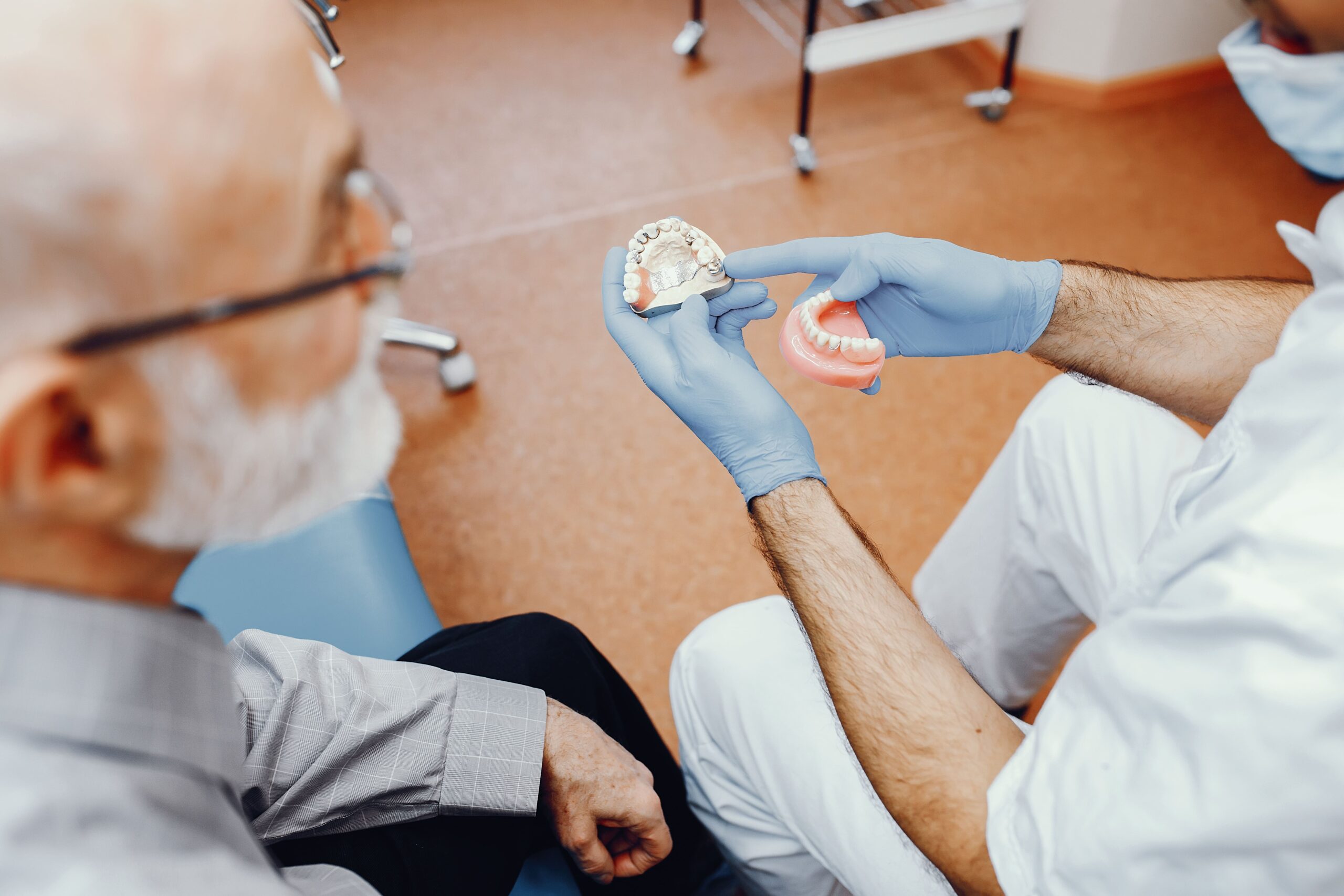
When patients first hear about flexible partial dentures, the promise often sounds almost too good: a lightweight, comfortable, and natural-looking alternative to traditional metal-based options. But comfort alone is not enough to make a dental solution reliable over time. The real question patients and clinicians ask is whether that initial ease continues months or even years down the line.
This article takes a closer look at what long-term users actually report, combining clinical understanding with practical insights to help you make an informed decision.
What Makes Flexible Options Different?
Unlike conventional partials that rely on rigid acrylic and metal clasps,flexible partial dentures are made from thermoplastic materials such as nylon. These materials adapt more naturally to the contours of the mouth, which is why many patients notice immediate comfort from the first day of use.
The absence of metal components also improves aesthetics, allowing the denture to blend more seamlessly with surrounding gums and teeth. For patients concerned about visibility, this alone can be a deciding factor.
At ODS Dental Lab, we often hear from dental professionals who choose these options for patients with sensitivity to rigid appliances or those seeking a less invasive feel.
First Impressions vs. Long-Term Reality
Initial comfort is one thing, but long-term satisfaction tells a more complete story. Many users report that flexible partial dentures continue to feel comfortable even after extended wear, especially compared to traditional alternatives that may cause sore spots or require frequent adjustments.
However, long-term users also highlight a few important considerations:
- The material can slightly lose its tight fit over time
- Regular maintenance is essential to preserve shape and hygiene
- Adjustments may require specialized handling compared to rigid dentures
These insights do not necessarily indicate flaws but rather reflect the need for proper care and realistic expectations.
Durability: Do They Hold Up?
Durability is often a concern when something feels softer and more adaptable. Surprisingly, flexible partial dentures are known for their resistance to fractures, which is a common issue with rigid acrylic dentures.
The flexibility allows them to absorb pressure rather than crack under it. That said, they are not immune to wear. Over time, daily use can lead to gradual changes in fit, especially if the underlying gum or bone structure shifts.
We advise dental professionals to schedule periodic evaluations so any changes can be addressed early. This approach helps maintain both comfort and function.
Comfort Over Time: What Users Say
Long-term users frequently describe a consistent level of comfort, especially when compared with traditional designs. Because flexible partial dentures move slightly with the natural motion of the mouth, they tend to reduce irritation during speaking and eating.
Patients also report:
- Less gum soreness
- Improved confidence while speaking
- Easier adaptation period
However, comfort is not entirely maintenance-free. Poor cleaning habits or prolonged use without adjustment can reduce the benefits over time.
At ODS Dental Lab, we emphasize proper guidance alongside fabrication, ensuring that patients and clinicians understand how to maximize long-term comfort.
Maintenance and Care Requirements
One of the most overlooked aspects of denture success is maintenance. While flexible partial dentures are easier to wear, they require consistent care to stay effective.
Unlike rigid dentures, these should not be cleaned with harsh chemicals or abrasive tools, as that can damage the material. Instead, gentle cleaning solutions and soft brushes are recommended.
Users who follow proper care routines tend to report better longevity and sustained comfort. Neglect, on the other hand, often leads to odor buildup, staining, or deformation.
Fit and Adjustments Over Time
No dental appliance remains static because the oral environment naturally changes. Bone resorption, gum shifts, and general wear all affect fit. With flexible partial dentures, adjustments can be slightly more complex than with traditional options.
This does not mean they are less reliable, but it does require working with experienced labs and clinicians who understand the material.
At ODS Dental Lab, we collaborate closely with dental practices to ensure adjustments are handled precisely, maintaining both function and patient comfort.
Are They Suitable for Everyone?
While the benefits are clear, flexible partial dentures are not always the best choice for every case. Patients with significant bite force requirements or those needing extensive tooth replacement may benefit more from rigid frameworks.
That said, they are an excellent option for:
- Patients with mild to moderate tooth loss
- Individuals seeking aesthetic improvements
- Those sensitive to metal-based appliances
We always recommend a case-by-case evaluation to determine the most appropriate solution.
Cost vs. Value Over Time
Cost is often part of the decision-making process. While flexible partial dentures may have a slightly higher upfront cost compared to basic acrylic options, many users feel the comfort and aesthetics justify the investment.
Long-term value depends largely on care, usage habits, and regular dental follow-ups. Patients who maintain their dentures properly often experience fewer replacements and adjustments.
Our approach focuses on balancing cost with long-term outcomes, helping clinicians deliver solutions that truly benefit their patients.
What Long-Term Users Appreciate Most
After months or years of use, several consistent themes emerge from patient feedback:
- Natural feel and appearance
- Minimal interference with daily activities
- Reduced irritation compared to rigid alternatives
At the same time, users who are less satisfied often cite maintenance issues or improper fit as the main reasons, rather than the material itself.
This highlights the importance of proper fabrication and follow-up care.
Conclusion
So, are flexible partial dentures too comfortable to be true? The answer is more balanced than it might seem at first glance. They do offer exceptional comfort, especially in the early stages, but their long-term success depends on proper care, regular adjustments, and appropriate case selection.
We believe that comfort should never come at the expense of durability or function. When designed and maintained correctly, these dentures can provide a reliable and satisfying solution for many patients.
Ultimately, the key lies in informed decision-making, where both clinicians and patients understand not just the benefits but also the responsibilities that come with choosing this modern dental option.