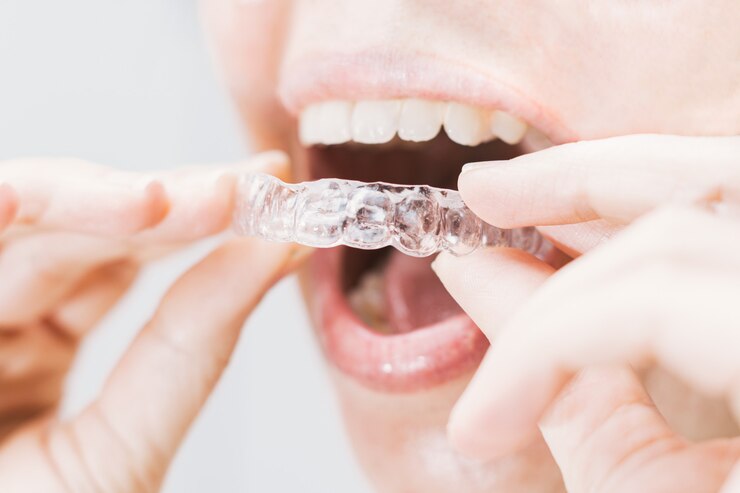
Night guards are still one of the most prescribed appliances for bruxism, clenching, and bite-related discomfort. Yet even in 2026, many patients stop wearing them within weeks. They complain that the guard feels bulky, causes jaw soreness, or changes their bite. When this happens, the issue is rarely the material alone. More often, it comes down to fit.
Dentists know that a poorly fitting appliance can do more harm than good. A custom night guard must sit comfortably, contact evenly, and work with the patient’s natural bite. Without that accuracy, even the most advanced material will fail.
At ODS Dental Lab, we focus on the details that determine whether a night guard is worn consistently or left in a drawer.
Why Patients Still Reject Night Guards in 2026
Many patients expect instant relief when they receive a night guard. When discomfort replaces that expectation, trust is lost quickly. Even with newer fabrication techniques, rejection still happens when appliances feel tight, uneven, or intrusive.
A custom night guard that does not seat properly can create pressure points or trigger jaw fatigue. Some patients report morning headaches or sore teeth, not because the guard is wrong for them, but because the fit is off by just a small margin. In bruxism cases, small errors are magnified during nighttime grinding.
The Clinical Impact of Poor Occlusal Accuracy
Occlusion is the foundation of night guard success. When contacts are uneven, the appliance may overload certain teeth or shift the bite over time. This can lead to muscle strain, tooth sensitivity, or even TMJ discomfort.
A properly designed custom night guard distributes forces evenly across the arch. This balance protects teeth while allowing muscles to relax. Without accurate occlusal design, the appliance may protect enamel but create new functional problems that require remakes.
How Digital Scans Improve Contact Precision
Digital impressions have significantly improved night guard accuracy, but only when they are used correctly. Clear scans that capture full arch detail and accurate bite registration allow labs to design appliances with precise contacts.
When scan data is incomplete, the lab must estimate occlusion, increasing the risk of adjustments later. A well-captured scan supports a custom night guard that seats correctly from the first delivery and reduces chairside grinding.
Lab Design Choices That Affect Comfort and Wear
Comfort is influenced by more than thickness or flexibility. The way a night guard is contoured, polished, and finished plays a major role in patient acceptance.
Smooth edges reduce tongue irritation. Balanced thickness prevents speech issues. Accurate trimming avoids soft tissue contact. Every design choice affects whether a custom night guard feels natural or intrusive. These details are shaped by lab experience, not automation alone.
At ODS Dental Lab, we review each case carefully to ensure the appliance supports both comfort and function.
Material Still Matters, But It Comes Second
Materials have improved over the years, offering better durability and flexibility. However, material selection cannot compensate for a poor fit. A premium material used in a poorly designed appliance will still fail.
When fit is correct, even standard materials perform well. A custom night guard built with proper occlusion and contours will outlast one made from advanced materials but rushed through fabrication.
Adjust vs. Remake: Knowing the Difference
Minor discomfort does not always require a remake. Small pressure points or high spots can often be adjusted chairside. However, when the appliance consistently alters bite or causes muscle pain, adjustments may not be enough.
Dentists should consider a remake when occlusal errors are structural rather than surface-level. Experienced labs help identify whether a custom night guard can be corrected or should be redesigned from the start.
How Lab–Dentist Communication Improves Outcomes
Successful night guard cases depend on collaboration. When dentists share patient feedback, wear patterns, or bite concerns, labs can refine designs more effectively.
Clear communication helps labs produce a custom night guard that meets clinical goals while improving patient compliance. This partnership reduces remakes and strengthens long-term results.
Why Fit-First Thinking Is the Future of Night Guards
As dentistry continues to advance, the focus is shifting from materials to precision. Patients judge night guards by how they feel, not how they are marketed.
In 2026, the most successful custom night guard cases are those built on accurate scans, thoughtful design, and careful quality checks. When fit comes first, comfort follows.
At ODS Dental Lab, we believe night guards should protect teeth without disrupting daily life. By prioritizing fit accuracy over shortcuts, we help dentists deliver appliances patients actually wear and benefit from, night after night.