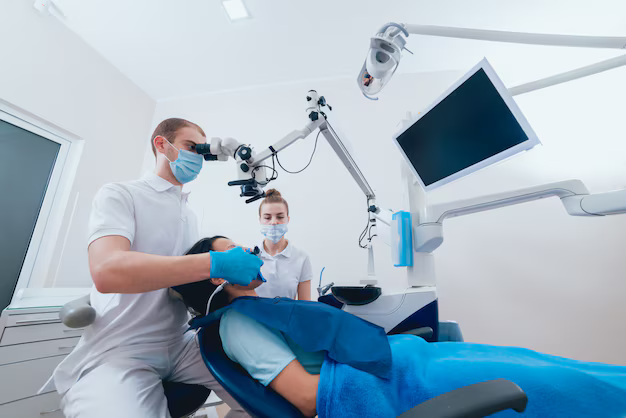
Delivering a crown or denture that fits perfectly on the first try is one of the most important parts of patient care. When a case needs a remake, it costs dentists time, adds stress for patients, and delays treatment. At ODS Dental Lab, we’ve seen clear patterns in what causes remakes, and we’ve also seen how small improvements can lead to big results. As we move through 2026, better shade matching, stronger impression quality, and clearer communication between dentists and their dental laboratory are becoming the key to consistent success.
This guide explains what is changing, what matters most, and how dentists and labs can work together to reduce remakes and create predictable outcomes for every case.
The New Standards for Shade Matching in 2026
Matching the natural shade of a patient’s tooth is often one of the hardest steps in restorative dentistry. Light can change how a shade appears, and even small mistakes in lighting or moisture can cause a noticeable difference in the final crown.
What helps improve shade results:
1. Use proper lighting.
Natural daylight or a color-corrected operatic light gives the most accurate reading. Overhead yellow lights make shades appear warmer than they really are.
2. Hold the shade tab correctly.
The tab should be at the same angle and distance as the tooth being matched. Holding it too close or too far changes the perception.
3. Keep the tooth moist.
Dry teeth look lighter. A moist environment gives the true shade, and this helps your dental laboratory match the color much more accurately.
4. Take high-quality photographs.
Front, side, and close-up photos help us see small details that the shade tab alone cannot show. Photos with and without the tab are extremely valuable for custom staining.
At ODS Dental Lab, we use these details to create crowns that blend naturally with the patient’s smile. The more precise the shade information, the fewer adjustments the dentist needs at delivery.
Why Moisture Control and Retraction Matter More Than Ever
Even the best materials and the most skilled lab cannot fix problems caused by poor impressions. Moisture control and proper retraction are two areas where small improvements can prevent big issues later.
Why this matters for accurate crowns:
- If the margins are blurred or covered by blood or saliva, the final crown may not seat fully.
- Tissue that is not retracted enough can hide the finish line.
- Distorted margins lead to open contacts or misfits.
Good retraction cords, appropriate hemostatic agents, and keeping the area dry help create clean margins that the dental laboratory can read clearly. This directly reduces the likelihood of a remake.
We see a major difference in crown fit when the impression captures the full margin with sharp detail. These are the cases that deliver smoothly, with fewer adjustments and stronger long-term results.
Digital Impressions Are Improving Accuracy
Digital scanning is becoming more common, and many dentists are discovering how much it helps reduce remakes. A clean digital scan creates a precise 3D model that eliminates tray distortion and material shrinkage.
When digital impressions work best:
- Single crowns
- Bridges with proper retraction
- Night guards and removable appliances
- Partial crowns and onlays
While traditional PVS impressions still work well in some cases, digital impressions often outperform them when tissue management is solid. They also help the dental laboratory start the design process faster, which shortens turnaround time.
Digital scans paired with clear photos give us the information needed to create predictable restorations that require fewer adjustments.
Bite Registration Errors: The Most Common Cause of Chairside Adjustments
Even when the shade and impression are perfect, a bite registration error can cause problems during crown delivery. High spots, rocking, or shifting occur when the bite record does not match the patient’s real occlusion.
How to reduce bite-related issues:
- Use a material that sets quickly and stays firm.
- Avoid excessive pressure when the patient closes.
- Trim excess material that overlaps adjacent teeth.
- Take a second check-bite if the case involves multiple units.
When the bite record is accurate, our dental laboratory can design crowns that fit the patient’s occlusion properly, reducing the need for grinding during the seating appointment.
Stronger Communication Between Dentists and Labs Leads to Better Results
Clear communication solves many challenges before they become problems. The more information we receive, the more accurate the final restoration will be.
Helpful communication habits:
- Send photos of the prep, shade, and adjacent teeth.
- Include notes on patient preferences (whiter, warmer, natural texture).
- Share information about previous restorations or existing crowns.
- Provide the desired outcome, especially for anterior esthetic cases.
At ODS Dental Lab, we review each case carefully and often reach out with suggestions when needed. This teamwork approach lets us create restorations that meet the dentist’s goals while considering the patient’s comfort and esthetic expectations.
Strong communication is one of the biggest reasons dentists trust their dental laboratory for consistent results.
How ODS Dental Lab Helps Reduce Remakes
We are committed to helping dentists deliver accurate, smooth, and predictable outcomes. Our team focuses on:
These steps help ensure that dentists spend less time adjusting crowns and more time helping patients.
- Careful shade evaluation and custom staining
- Precise digital and traditional model processing
- Clean margin identification for long-lasting fits
- Reliable case planning and communication
- Support with adjustments, repairs, and remakes when necessary
Final Thoughts
Reducing remakes is possible when dentists and their dental laboratory work together with clear communication, accurate impressions, and reliable shade-matching techniques. As materials and workflows improve in 2026, these best practices help create restorations that fit better, look more natural, and make both dentists and patients happier.